
Quick Answer:
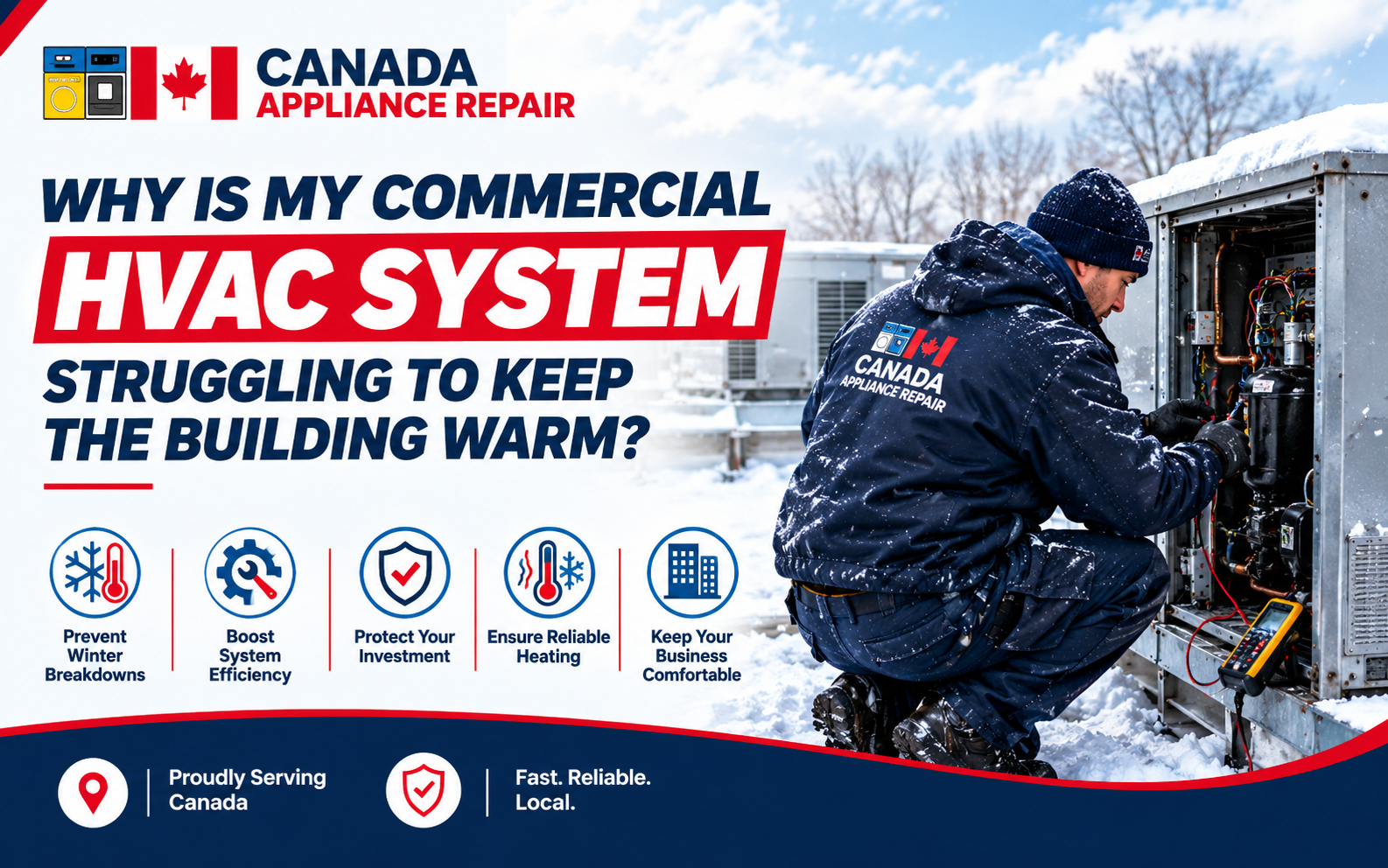
A commercial HVAC system may struggle to keep a building warm because of dirty air filters, blocked vents, faulty thermostats, ductwork leaks, malfunctioning burners, failing blower motors, or inadequate heating capacity. Checking basic settings and airflow can help identify simple problems, but persistent heating issues require professional inspection to determine the underlying cause.
What Causes a Commercial HVAC System to Struggle to Keep the Building Warm?
Several problems can prevent a commercial heating system from maintaining a comfortable indoor temperature. The symptoms often provide useful clues about where the issue may be.
1. Can Dirty Air Filters Reduce Heating Performance?
Yes. Dirty air filters restrict airflow, making it harder for heated air to circulate throughout the building. Depending on the equipment, restricted airflow can also contribute to overheating, safety shutdowns, or reduced heating performance.
Check accessible filters according to the manufacturer’s instructions and replace them when necessary. If airflow remains weak afterward, the blower, ductwork, or other components may need attention.
2. Could a Faulty Thermostat Be the Problem?
A thermostat measures indoor temperature and tells the heating system when to operate. Incorrect settings, inaccurate temperature readings, weak batteries in applicable models, or faulty controls can prevent the system from delivering enough heat.
Confirm that the thermostat is set to heating mode and that the target temperature is appropriate. If the displayed temperature differs significantly from the actual room temperature, arrange a professional inspection.
3. Are Ductwork Problems Preventing Warm Air from Reaching Every Room?
Damaged, leaking, or poorly insulated ducts can allow heated air to escape before it reaches occupied spaces. Blocked supply vents and return-air grilles can also disrupt circulation.
For example, an office near the entrance may remain cold while interior offices feel comfortable. This pattern can indicate a distribution problem rather than a complete heating failure.
4. Could a Heating Component Be Failing?
Commercial heating equipment may use furnaces, rooftop units, heat pumps, burners, ignition systems, blower motors, and electronic controls. A faulty component can reduce heat output or cause repeated shutdowns.
If the system runs continuously without reaching the set temperature, a technician may need to check its heating cycle, electrical components, airflow, and overall operating performance.
What Should You Check Before Calling for Commercial HVAC Repair?
Building managers can safely perform a few basic checks before arranging service:
-
Check thermostat settings: Confirm heating mode and the desired temperature.
-
Inspect accessible air filters: Replace dirty filters according to manufacturer guidance.
-
Clear blocked vents: Move furniture, boxes, or other obstructions away from supply and return grilles.
-
Check the building’s temperature pattern: Note which rooms are cold and whether the problem affects the entire property.
-
Record unusual symptoms: Document noises, odors, frequent shutdowns, or sudden energy-cost increases.
Avoid opening electrical panels, adjusting gas components, or attempting refrigerant repairs. If you notice smoke, sparks, a burning smell, or a suspected gas leak, follow the appropriate emergency procedures and contact qualified professionals or emergency services as needed.
When Should You Call a Commercial HVAC Technician in Toronto?
Professional service is recommended when basic checks do not restore normal heating, the system repeatedly shuts down, airflow remains weak, or some areas stay cold despite correct thermostat settings.
A qualified technician can inspect the heating equipment, controls, motors, airflow, and ductwork to identify the actual cause. This is important because several different faults can produce similar symptoms.
For more warning signs, read our guide to when your commercial HVAC system needs professional repair.
How Can Businesses Prevent Commercial Heating Problems During Winter?
Preventive maintenance helps identify developing problems before heavy winter demand exposes them.
Businesses should replace filters as recommended, keep outdoor equipment clear of snow and debris, maintain unobstructed vents, and arrange periodic professional inspections. Monitoring energy consumption and keeping maintenance records can also reveal recurring issues.
For additional seasonal advice, read our guide to commercial HVAC winter preparation in Toronto.
Conclusion: Keep Your Commercial HVAC System Heating Reliably
When a commercial HVAC system is struggling to keep the building warm, the cause may be as simple as a dirty filter or as complex as a failing heating component. Checking basic settings and airflow is a sensible first step, but persistent problems should not be ignored.
Canada Appliance Repair serves Toronto and the GTA with HVAC repair and installation services. If your building continues to experience insufficient heating, visit our HVAC repair and installation service page to learn more or call (416) 887-5839 to discuss your service needs.
Frequently Asked Questions
A system that runs without adequately warming the building may have restricted airflow, thermostat or control problems, leaking ductwork, or a malfunctioning heating component. Check accessible filters and thermostat settings first. If the problem continues, a qualified technician should inspect the equipment rather than relying on repeated resets or temperature adjustments.
Uneven heating can result from blocked vents, ductwork leaks, poor insulation, airflow imbalances, thermostat placement, or problems with zone controls. Record which rooms are affected and whether the issue occurs at particular times. This information helps an HVAC technician investigate how heat is distributed throughout the building.
Yes. A clogged filter can restrict airflow and make some heating systems work harder or operate less efficiently. In certain systems, restricted airflow may also trigger protective shutdowns. Check filters regularly and follow the manufacturer’s replacement schedule. If energy consumption remains unusually high, arrange an inspection for other possible causes.
Service frequency depends on the equipment, operating hours, building conditions, and manufacturer’s recommendations. Many commercial properties benefit from scheduled inspections before periods of heavy heating or cooling demand. Buildings with long operating hours or demanding indoor conditions may need more frequent maintenance to identify developing problems and reduce unexpected interruptions.
It depends on the symptoms. A minor airflow issue may not require an immediate shutdown, but burning smells, smoke, sparks, suspected gas leaks, or repeated electrical trips require prompt action. Follow the equipment’s safety instructions and contact qualified professionals. Never continue operating equipment when doing so could create a safety hazard.
Check the power supply and verify the actual internal temperature. Keep the refrigerator closed as much as possible and protect temperature-sensitive inventory according to your food-safety procedures. Arrange professional service promptly to determine why the unit is not cooling properly.
Need professional commercial refrigeration repair? Call (416) 887-5839 today to schedule fast, dependable service anywhere in Toronto and the GTA.